

In the complex world of software licensing, understanding how to properly activate an operating system is crucial. With various options and tools available, users often encounter challenges in distinguishing legitimate solutions from those that could cause more harm than good. One popular tool that often comes up in these discussions is the windows 10 activator.
Understanding Windows 10 Activation
Activating Windows 10 is essential for accessing all features and receiving security updates. The process typically involves a product key or a digital license. A product key is a 25-character code used for one-time activation, while a digital license links your Windows account with the operating system without requiring any keys.
For many, the term windows 10 activator signifies a quick solution for bypassing licensing requirements. However, it’s important to understand how these tools work and the potential risks involved. Knowing the difference between legitimate activation methods and unauthorized tools can save users from unnecessary complications.
The Role of Product Keys and Digital Licenses
A valid product key or digital license ensures your copy of Windows 10 is legitimate. Without proper activation, users may be restricted from certain functionalities or face legal issues. The most reliable way to secure a product key is through authorized retailers or directly from Microsoft.
In environments such as virtual machines (e.g., VM 2 vCPU / 4 GB RAM), managing multiple licenses can be challenging. Here, understanding the nuances of a windows 10 activator becomes critical as incorrect usage can lead to compliance issues. It’s essential to stay informed about licensing options to ensure both functionality and legality are maintained.
Windows Activation Methods: A Quick Overview
- KMS Activation: Used by corporations to manage bulk licenses within their network. It requires periodic reactivation and an active connection to the KMS server.
- MAK Activation: Ideal for small organizations, this method uses unique keys that do not require reactivation but have a limited number of activations.
- Digital License: Automatically activates Windows after hardware changes or reinstallations when linked to a user’s Microsoft account.
The Legality of Windows 10 Activators
The use of windows 10 activator tools like download kmspico and similar software can often veer into illegal territory. These tools attempt to mimic genuine activation processes but may introduce malware or compromise system integrity. It’s critical to stay informed about what constitutes legal software activation methods.
KMSPico and Its Impact on Software Licensing
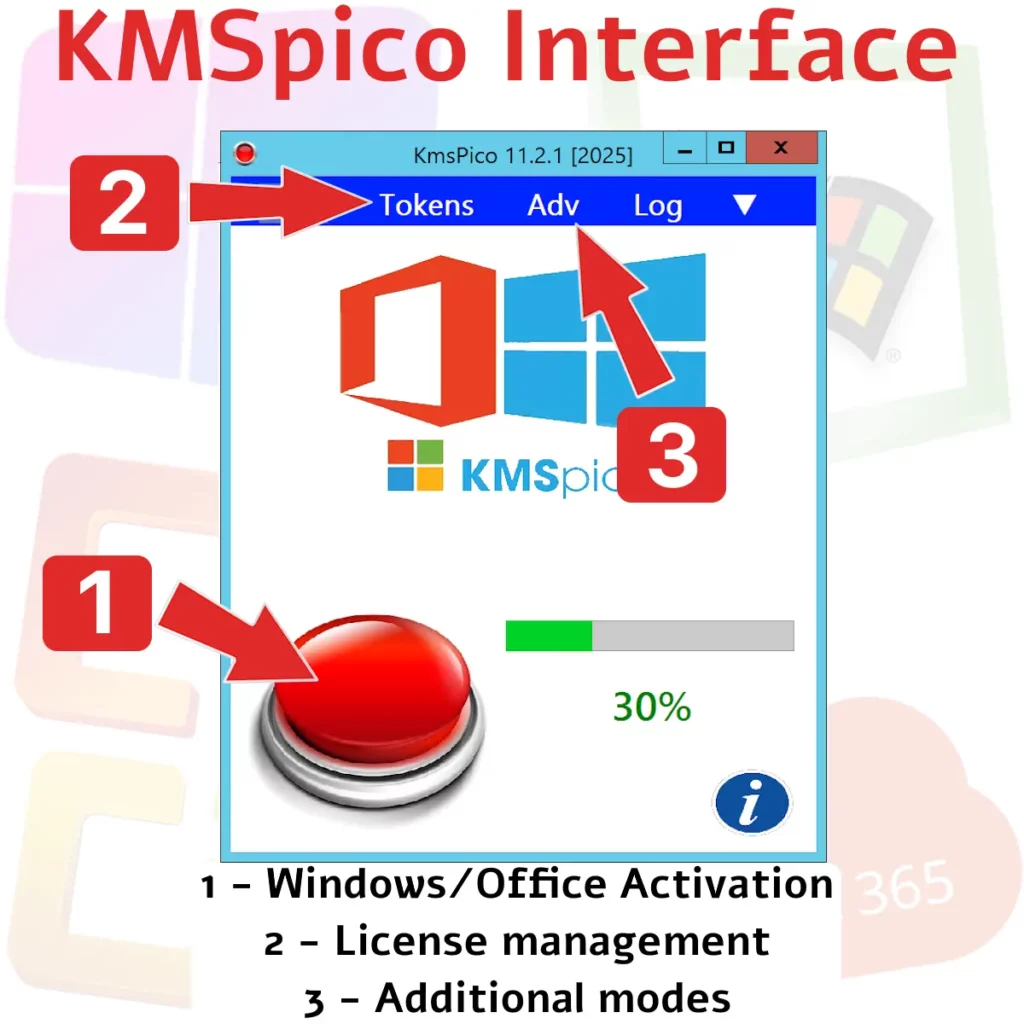
KMSPico aims to activate both Windows and Microsoft Office products without requiring official keys. Despite its popularity, users must tread carefully as using such software can violate Microsoft’s terms of service and expose systems to vulnerabilities. The promise of free activation comes with significant risks that should not be overlooked.
Specifically targeting products such as office suites (e.g., kms activator office 2019), kmspico promises convenience but at potential legal and security costs. Users need to weigh these factors carefully before opting for such solutions.
Tools and Commands: Navigating Activations with DISM
For those seeking legitimate activation methods, leveraging built-in tools like DISM (Deployment Imaging Service Management) can be beneficial. This command-line tool helps manage Windows images and assists in configuring components before deployment, ensuring compliance with licensing terms.
Administrators can use DISM to apply updates or drivers without affecting existing installations, making it an invaluable asset in the IT professional’s toolkit when managing windows activation processes. Understanding how to use such tools effectively enhances organizational compliance and operational efficiency.
Common Pitfalls When Using Windows Activators
- Security Risks: Downloading unauthorized activators often introduces malware that can compromise sensitive data.
- Legal Ramifications: Using unlicensed tools violates Microsoft’s terms of service, potentially leading to fines or other penalties.
- System Instability: Unauthorized changes made by activators can lead to system crashes or performance issues.
The Shift Towards Digital Licenses and Cloud Solutions
The increasing adoption of digital licenses reflects a broader shift towards cloud-based solutions. This modern approach allows users easier management over multiple devices and simplifies reactivation after hardware changes or OS upgrades like transitioning from Windows 10 to kmspico windows 11 scenarios.
This trend underscores the importance of understanding authentic activation mechanisms beyond mere reliance on potentially harmful applications like windows 11 activator variants often found online. Embracing cloud solutions offers flexibility while maintaining compliance with licensing regulations.
A Practical Guide: Avoiding Illegal Activator Use
Avoid common errors associated with activators by ensuring all software comes from verified sources. Regularly update systems through official channels, maintain robust antivirus protection, and consult IT experts when uncertain about licensing matters. Staying informed helps prevent inadvertent violations and ensures systems remain secure.
Integrating Safe Practices into IT Workflows
An effective strategy involves balancing cost-efficiency with legality by exploring volume licensing options for businesses or using legitimate upgrade paths provided by Microsoft for individual users seeking budget-friendly solutions without risking exposure via unreliable windows activator methods.
Simplifying Compliance in Virtual Environments
The dynamic environment of virtual labs necessitates strict adherence to licensing protocols—snapshot timing being crucial during testing phases—to avoid inadvertent breaches. Proper documentation and regular audits help maintain compliance across virtual setups.
The landscape of operating system licensing offers myriad choices but also numerous pitfalls along the way—windows 10 activator usage among them—that demand careful navigation aligned with best practices ensuring both operational efficiency and legal compliance are maintained across all platforms deployed within any given organization’s infrastructure landscape.
The Risks vs. Rewards: An In-Depth Look at Windows 10 Activators
Navigating through different software options can be daunting, especially when considering tools like windows 10 activators that promise easy fixes but may come with hidden costs. While the appeal lies in immediate access to full features without upfront payment, the potential repercussions cannot be ignored.
The risk-to-reward ratio is skewed heavily towards caution due to potential malware threats that could lead to data breaches or permanent damage to hardware components. Moreover, engaging in unauthorized activation methods could result in significant financial penalties imposed by regulatory bodies concerned with intellectual property rights violations.
A more prudent approach would involve investing time in understanding legitimate channels for obtaining necessary licenses which provide peace of mind alongside guaranteed full access to support services offered by Microsoft partners globally. Such investments not only safeguard systems but also ensure alignment with industry standards promoting ethical business practices across sectors reliant on technology infrastructure advancements powered by compliant software solutions.